
How to Financially Plan Dental Practice Expansion
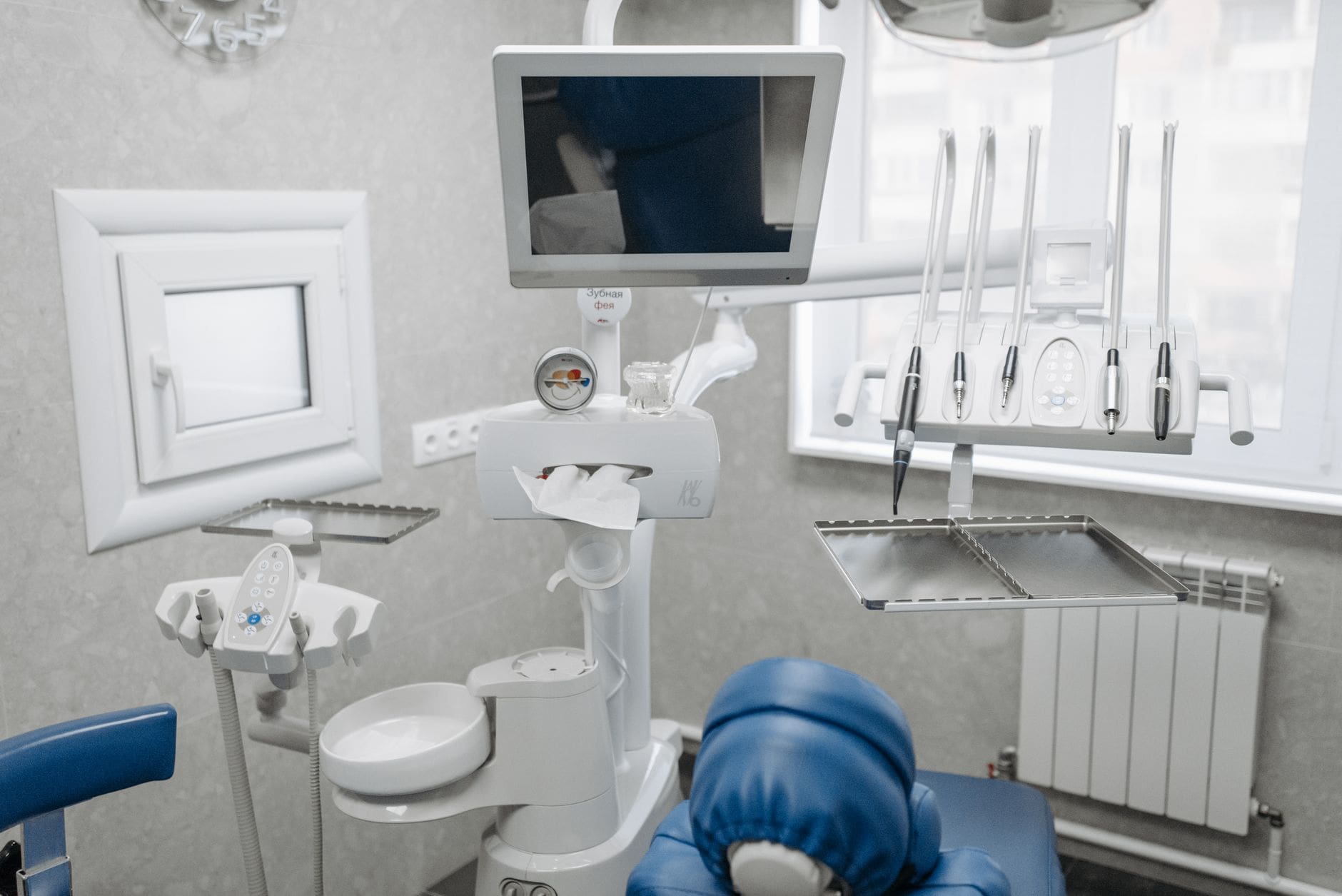
Your dental practice is growing. Appointments are filling up, your patient base is expanding, and your team is working harder to accommodate increasing demand.
Now you’re considering the next step.
Should you add another treatment room? Invest in new technology? Hire additional staff? Or perhaps open a second location?
Expansion can create exciting opportunities, but growth also introduces financial responsibilities.
A larger practice doesn’t automatically mean a more profitable practice.
Without proper planning, increased rent, staffing expenses, equipment payments, and operational costs can place pressure on your finances.
That’s why successful expansion begins with understanding what your practice can realistically afford.
For dentists exploring Dental Practice Accounting Framingham, developing a financial expansion strategy can help turn growth opportunities into sustainable business decisions.
Why Financial Planning Matters Before Expanding
Expanding a dental practice involves more than purchasing equipment or finding additional office space.
Every expansion decision affects your practice’s financial structure.
Common Expansion Expenses
These may include:
- Construction and renovations.
- Additional dental equipment.
- New employee salaries.
- Technology upgrades.
- Office furniture.
- Insurance.
- Marketing.
- Licensing and professional fees.
Some expenses occur once, while others become ongoing financial commitments.
Understanding both categories is essential before making a decision.
1. Determine Whether Your Practice Is Ready to Expand
Before investing in growth, evaluate your current operations.
Review Appointment Demand
Are patients regularly waiting for available appointments?
Is your schedule consistently full?
Examine Existing Capacity
Could scheduling improvements create additional availability without expanding your physical space?
Evaluate Financial Performance
Review revenue, expenses, profitability, and available cash.
Consider Your Long-Term Goals
Expansion should support your professional and financial objectives.
A practice owner hoping to reduce clinical hours may approach growth differently from someone planning to build a multi-location business.
2. Identify the Type of Expansion You Need
Not every practice requires a second location.
Different growth strategies involve different financial commitments.
Adding Treatment Rooms
Additional operatories may increase patient capacity within your existing office.
However, renovation and equipment expenses must be evaluated.
Hiring More Dental Professionals
Adding an associate dentist or hygienist may increase appointment availability.
The financial plan should account for compensation, support staff, and patient demand.
Investing in Technology
Digital imaging, scanners, and other equipment may improve workflows or expand available services.
Opening Another Location
A second office introduces additional rent, staffing, management, and administrative responsibilities.
The right approach depends on the opportunity and your practice’s financial position.
3. Calculate the Total Expansion Budget
One of the biggest mistakes practice owners make is underestimating the cost of growth.
Separate One-Time and Recurring Expenses
One-time expenses may include construction, equipment purchases, and initial setup.
Recurring expenses may include rent, salaries, utilities, software, and insurance.
Include Unexpected Costs
Renovations can take longer than anticipated.
Equipment installations may require additional work.
Hiring may also take more time than expected.
Create a Contingency Budget
Setting aside funds for unexpected expenses can help reduce financial pressure.
Avoid Relying on Estimates Alone
Whenever possible, obtain detailed quotes before finalizing your budget.
4. Forecast Revenue Conservatively
Expansion creates additional capacity, but that capacity doesn’t guarantee immediate revenue.
Estimate Patient Demand
Use historical appointment trends and realistic assumptions about future growth.
Consider the Transition Period
New treatment rooms or locations may take time to reach their expected utilization.
Evaluate Treatment Mix
Different procedures generate different levels of revenue and involve different costs.
Prepare Multiple Scenarios
Consider creating:
- A conservative scenario.
- An expected scenario.
- An optimistic scenario.
These projections can help you understand how the investment might perform under different conditions.
5. Understand the Break-Even Point
Break-even analysis helps estimate how much additional revenue an expansion needs to cover its costs.
A Simple Example
Suppose expanding your practice adds $15,000 in monthly fixed expenses.
Assume 50% of the additional revenue remains after variable expenses.
The simplified break-even calculation would be:
$15,000 ÷ 0.50 = $30,000
In this example, the expansion would need approximately $30,000 in additional monthly revenue to cover those incremental fixed costs.
Actual calculations depend on the practice’s expense structure and financing arrangements.
Why This Matters
Break-even analysis helps owners understand the level of performance required before expansion becomes financially beneficial.
6. Evaluate Financing Options
Many dental practices use financing to support major investments.
Equipment Financing
This may be appropriate for qualifying equipment purchases.
Business Loans
Some lenders offer financing for renovations, expansion, or other business purposes.
Lines of Credit
A line of credit may provide flexibility for certain short-term funding needs.
Using Existing Business Funds
Self-funding can reduce borrowing requirements but may also reduce available cash reserves.
Compare the Full Cost
Evaluate interest, fees, repayment terms, collateral requirements, and the effect on monthly obligations.
Financing decisions should support the practice’s long-term financial stability.
7. Protect Your Practice’s Cash Flow
Expansion often requires spending before additional revenue begins arriving.
Maintain Operating Reserves
Keep sufficient funds available for essential expenses.
Forecast Monthly Cash Needs
Estimate when payments for construction, equipment, payroll, and other obligations will occur.
Consider Delayed Revenue
A new location may take longer than expected to develop a consistent patient base.
Monitor Existing Operations
Growth shouldn’t leave your original practice unable to meet its financial responsibilities.
A detailed cash flow forecast can help identify potential funding gaps before they become urgent.
8. Plan for Additional Staffing Costs
More patients and treatment rooms often require more employees.
Identify Required Positions
Consider whether you’ll need additional dentists, hygienists, assistants, or administrative staff.
Calculate Total Employment Costs
Include wages, employer taxes, benefits, training, and other relevant expenses.
Consider Hiring Timing
Hiring too early can increase expenses before sufficient patient demand develops.
Hiring too late can create operational challenges.
Develop a Staffing Timeline
Align recruitment with expected patient volume and operational readiness.
9. Understand the Tax Implications of Expansion
Expansion can introduce tax considerations that deserve attention before purchases or contracts are finalized.
Equipment and Improvements
Different assets may receive different depreciation or tax treatment.
Financing
Interest and other borrowing costs may have specific tax implications.
New Locations
Opening another office may create additional state, local, or administrative obligations.
Business Structure
Significant growth may justify reviewing your existing ownership and tax structure.
A qualified tax professional can explain the applicable rules based on your circumstances.
10. Monitor Financial Performance After Expansion
Financial planning shouldn’t end when construction is complete or the new location opens.
Compare Actual Results With Projections
Review whether revenue and expenses align with expectations.
Track Patient Growth
Measure whether additional capacity is attracting and serving more patients.
Monitor Operating Expenses
Identify costs that exceed the original budget.
Review Profitability
Increased revenue is useful only when evaluated alongside the costs required to generate it.
Adjust Your Strategy
If performance differs from expectations, investigate the reasons and consider appropriate operational changes.
Common Dental Practice Expansion Mistakes
Expanding Before Demand Supports It
Additional space can become expensive when patient volume is insufficient.
Underestimating Ongoing Expenses
Rent, payroll, and maintenance continue long after the initial investment.
Assuming Revenue Will Grow Immediately
New capacity may take time to become productive.
Ignoring Cash Reserves
Insufficient liquidity can create financial pressure during the transition.
Failing to Measure Results
Without reliable financial reports, it’s difficult to determine whether expansion is achieving its objectives.
How a Dental CPA Can Support Practice Expansion
Growth decisions involve budgeting, financial projections, tax considerations, and ongoing performance monitoring.
A CPA familiar with dental practices may help evaluate expansion scenarios, review financial statements, and assess how additional expenses could affect profitability.
Professional guidance can also support tax planning and financial reporting as the business grows.
When researching Dental Practice Accounting Framingham, consider whether the accountant understands the financial requirements of dental practice expansion.
Industry-specific knowledge can help connect financial decisions with the operational realities of running a dental office.
Frequently Asked Questions About Dental Practice Expansion
How Do I Know When My Dental Practice Is Ready to Expand?
Consistent patient demand, available financial resources, and a realistic growth plan are important indicators.
Is Opening a Second Location Better Than Expanding My Current Office?
The answer depends on patient demand, location opportunities, operational capacity, and financial projections.
Should I Finance Dental Equipment or Pay Cash?
Both approaches have advantages and disadvantages. Evaluate financing costs, available reserves, and the practice’s broader financial needs.
How Long Does It Take for Expansion to Become Profitable?
There is no universal timeline. Results depend on investment costs, patient growth, staffing, and operating expenses.
Can a CPA Help Evaluate Expansion Costs?
A CPA may help review budgets, financial forecasts, tax considerations, and the potential impact on business performance.
Build a Dental Practice That Can Grow Sustainably
Expanding your dental practice can create opportunities to serve more patients, introduce new services, and strengthen your business.
However, sustainable growth requires more than enthusiasm and increasing demand.
It requires a realistic budget, reliable financial information, thoughtful financing decisions, and ongoing performance reviews.
Before committing to a major investment, understand how expansion will affect your expenses, available cash, and long-term profitability.
For dentists exploring Dental Practice Accounting Framingham, specialized accounting guidance may help turn expansion plans into informed financial decisions.
At ASH Dental CPA, dental professionals can inquire about accounting, tax, and financial services relevant to their practice’s growth plans.
Plan Your Dental Practice’s Next Stage of Growth
Whether you’re adding another treatment room or considering a second location, financial preparation can help you make more confident decisions.
Contact ASH Dental CPA to discuss your practice’s accounting needs and learn more about available financial services.


